Amazon Glow
Designing a Shared Interaction System for Multi-Game Play
How do you ensure independently built games behave as one coherent experience?
Overview

At Amazon Glow, I initially joined as an Art Director supporting individual game experiences across a new multi-player family device.
As the platform expanded, inconsistencies began emerging across games—especially in onboarding, turn-taking, and feedback behaviors. Different teams were designing valid experiences, but the system as a whole lacked cohesion.
I expanded into a UX and interaction design role to define a shared interaction system layer that standardized how games behaved across the platform.
Rather than redesigning individual games, I focused on creating a consistent behavioral framework that unified gameplay, onboarding, and feedback across multiple independently developed experiences.
My Role
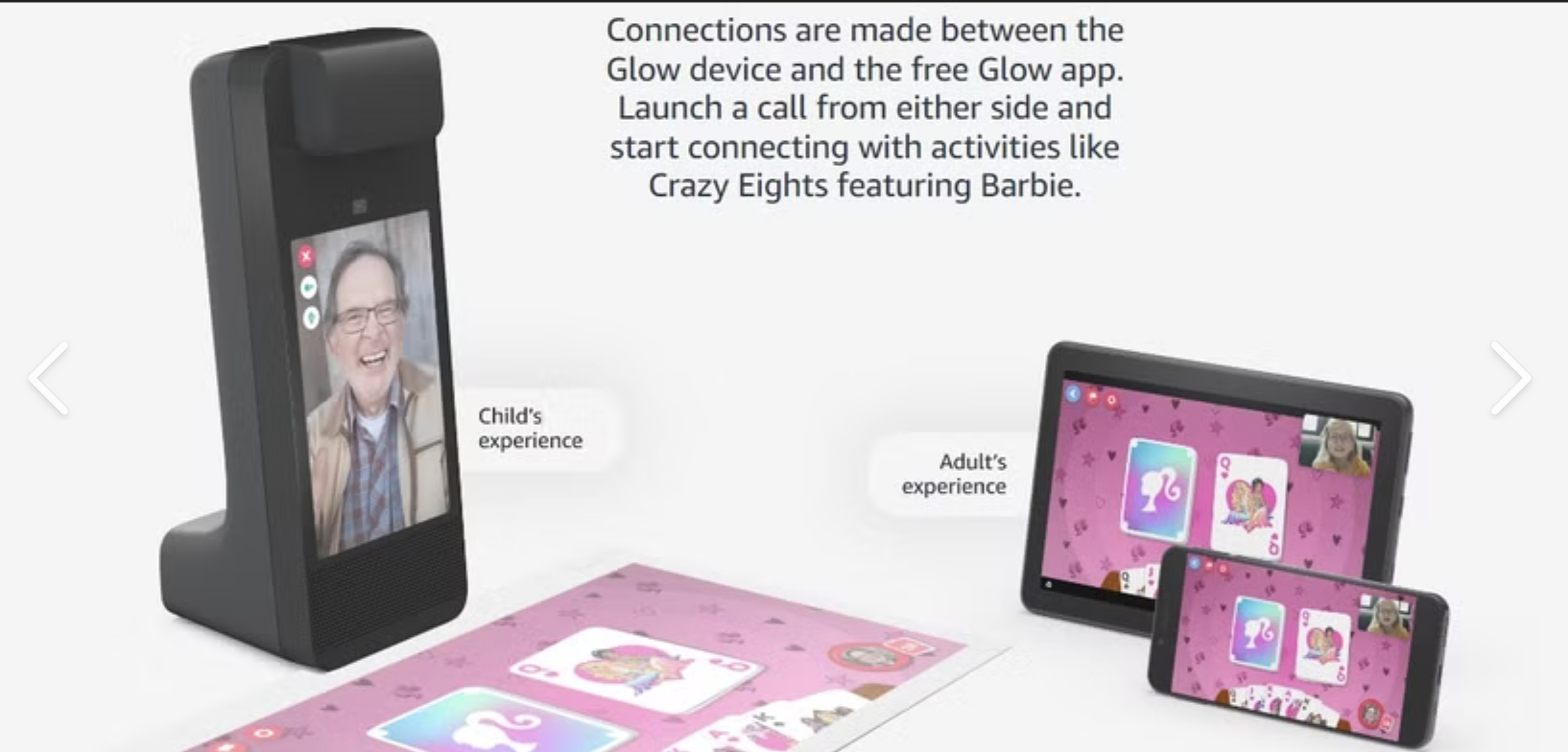
Art Director → Interaction / UX Systems Designer
I evolved from visual and art direction into defining the interaction system layer that governed gameplay consistency across Amazon Glow.
Key Contributions
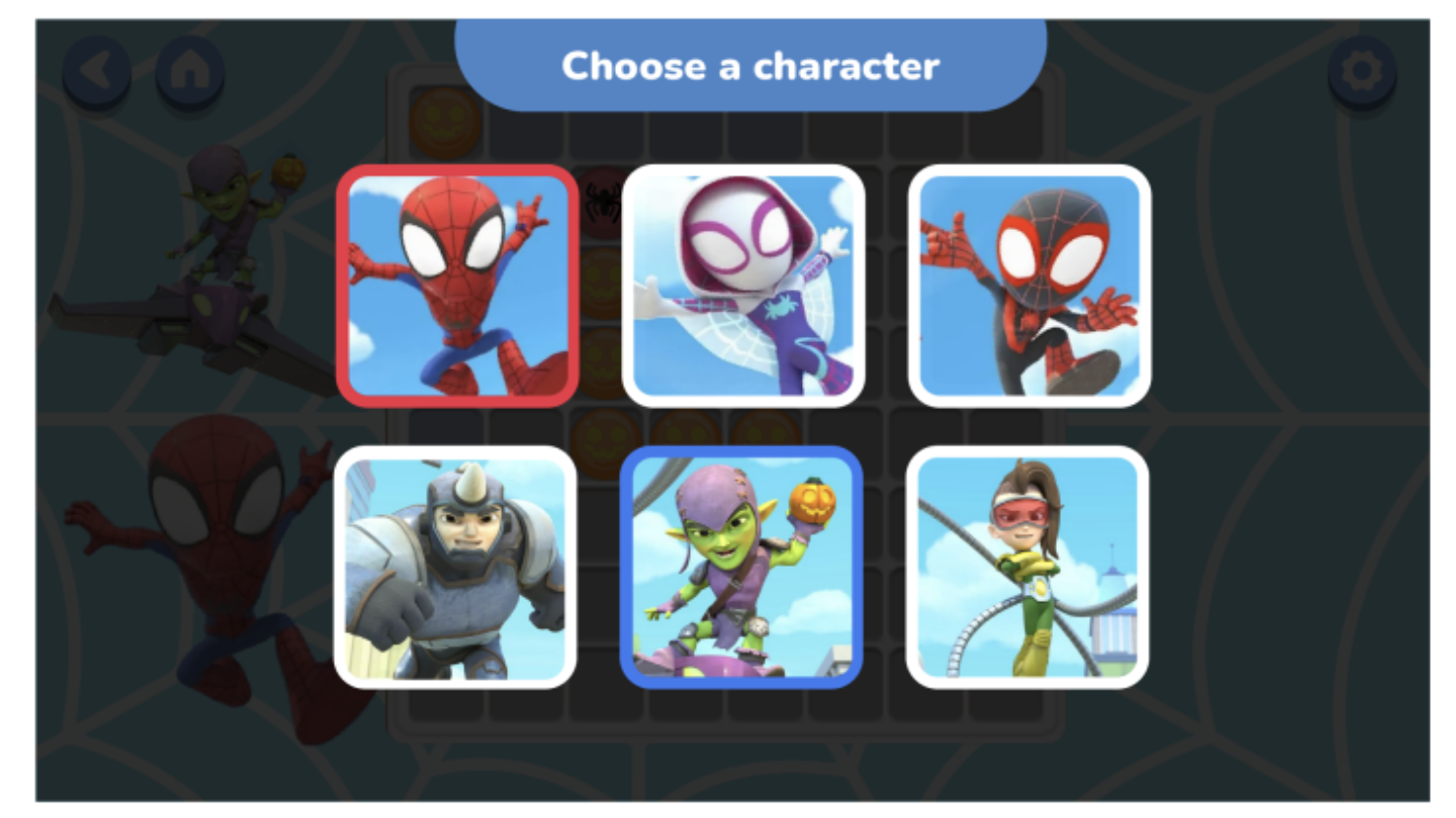
Defined shared interaction rules across multiple games
Standardized onboarding and tutorial behavior
Designed turn-taking and player state systems
Created visual language rules for system feedback
Documented interaction logic for engineering implementation
Aligned cross-team game experiences into a single system model.
The Challenge
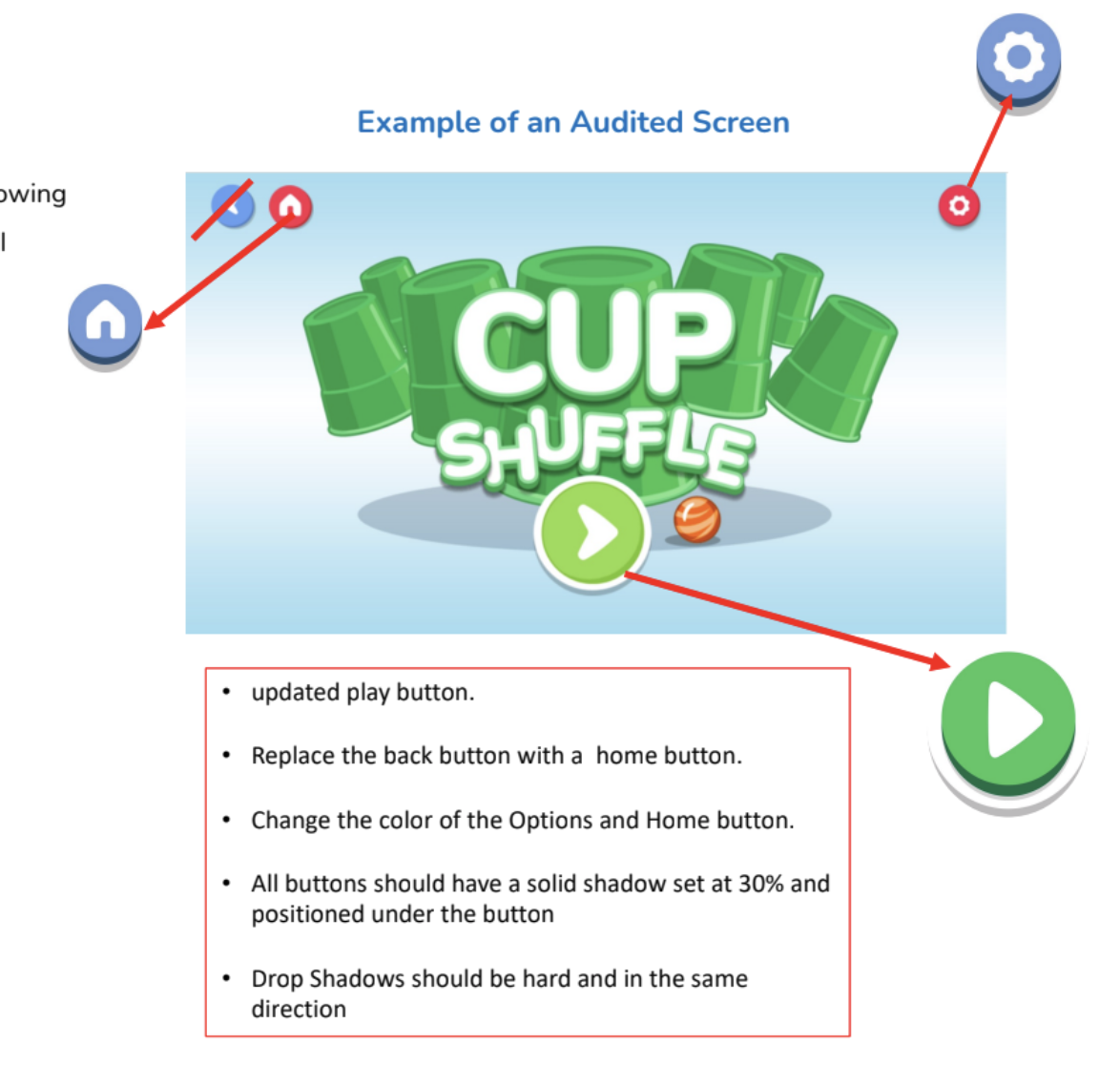
Amazon Glow was built as a platform for multiple independent game teams.
While each game functioned correctly on its own, the overall experience became inconsistent:
Onboarding varied across games
Turn-taking logic differed between experiences
Feedback states lacked shared meaning
UI patterns were inconsistent across teams
We needed a shared interaction system that ensured all games felt like one cohesive experience, even when built independently.
Amazon Glow Interaction System
A shared behavioral framework that unified gameplay across all games on the platform.
Gameplay State System
Onboarding & Tutorial System
Engagement & Feedback System
Visual Language Rules
(UI meaning system)
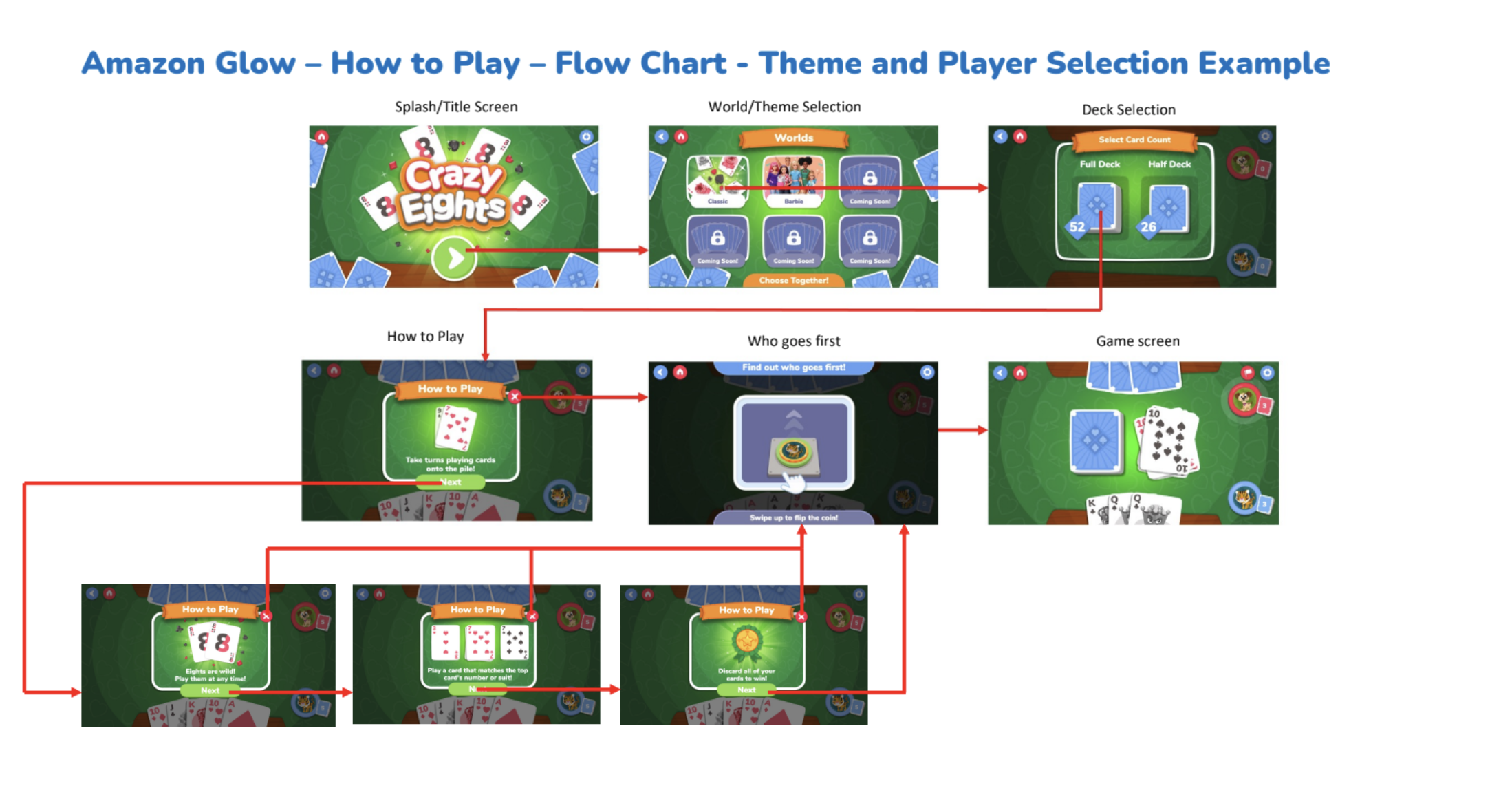
Core System — Gameplay State System
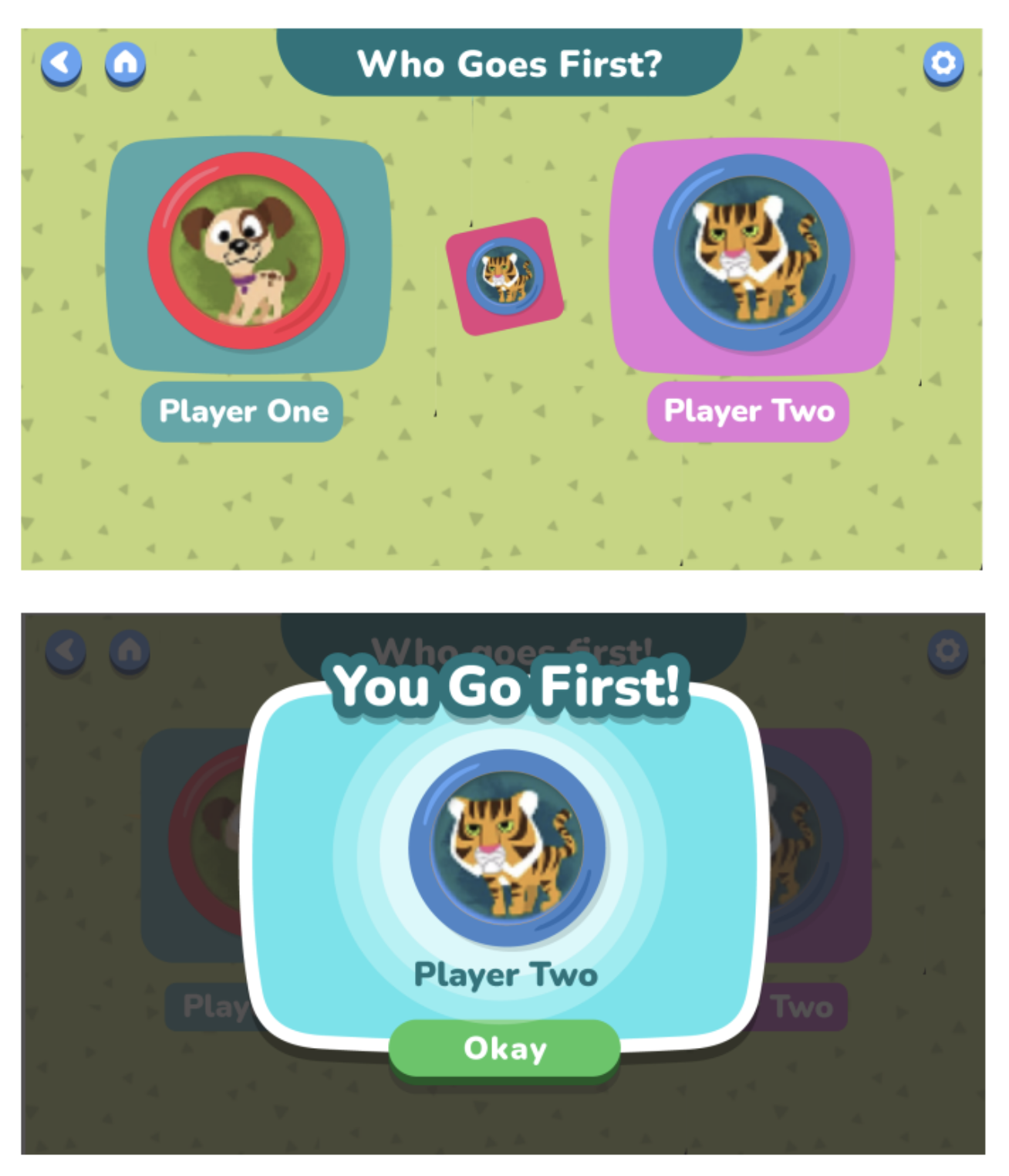
The Gameplay State System defined how every game handled:
player turns
active vs inactive states
game progression
win conditions
It ensured that regardless of game type, players always understood:
“who is in control and what happens next”
Why this mattered
Without a shared state system, each game created its own interpretation of turns and progression. This caused confusion across experiences.
This system ensured consistent mental models across all games.
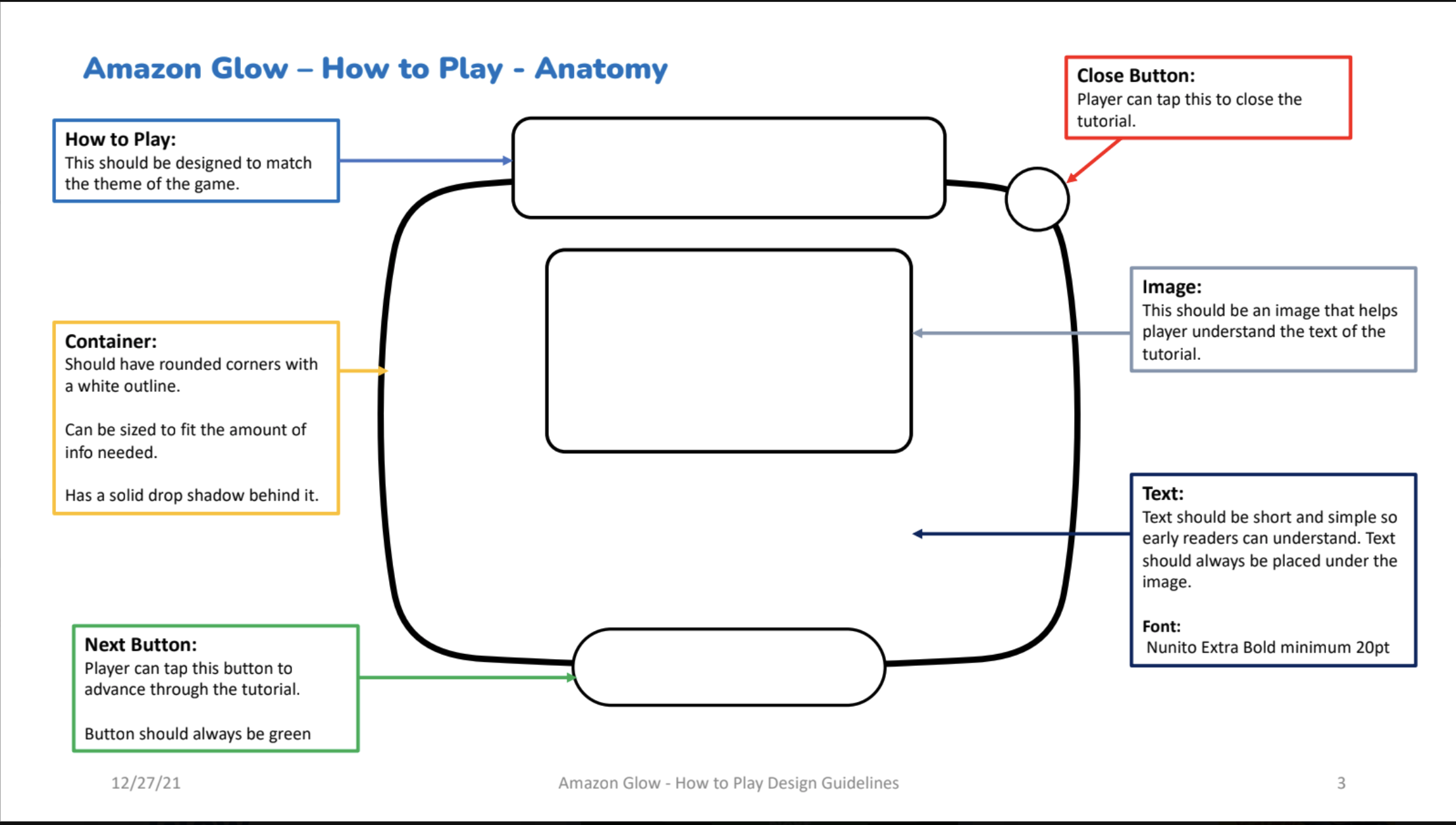
Onboarding System — How to Play
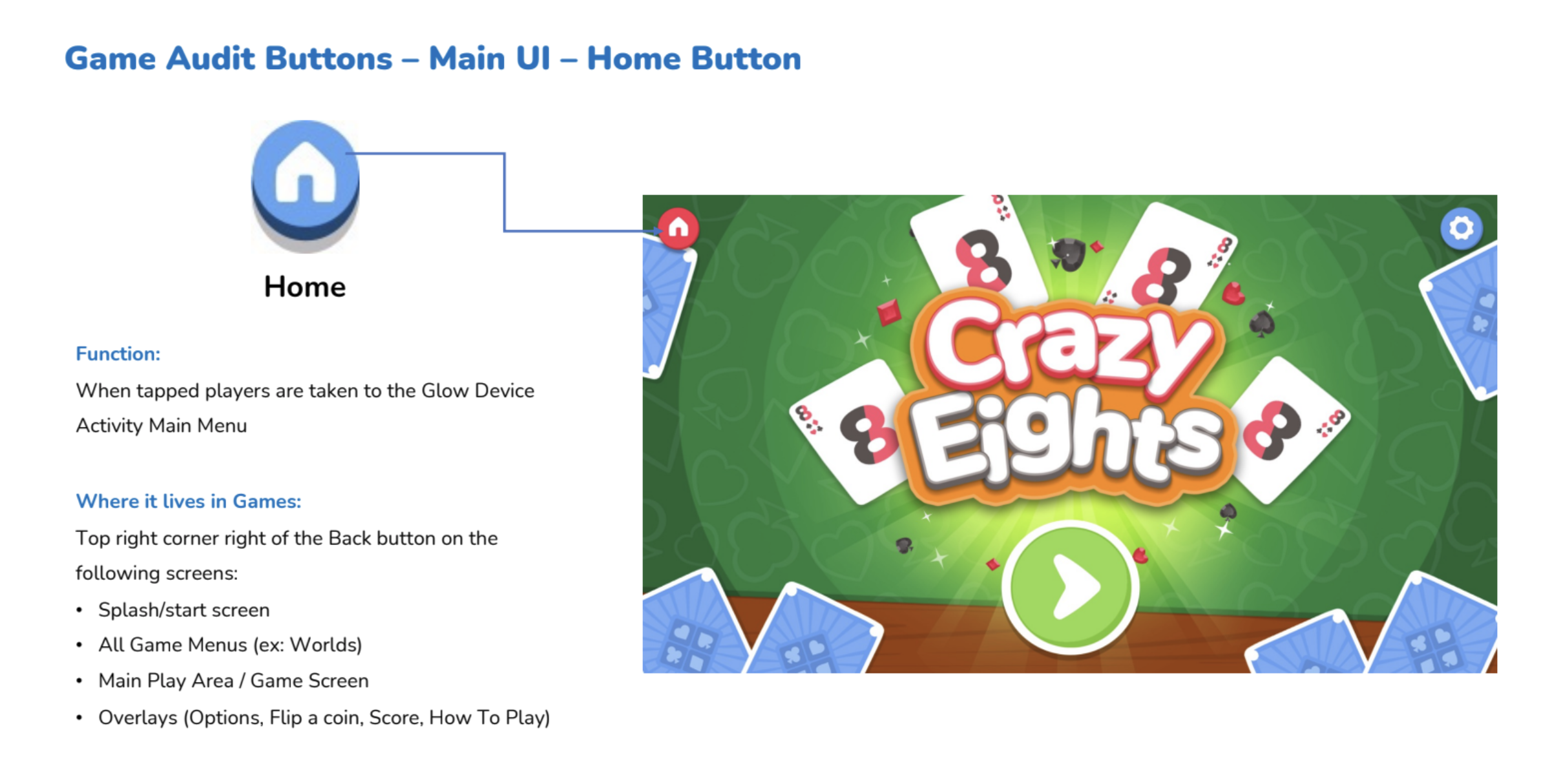
The onboarding system standardized how players learned new games before starting.
Behavior model:
appears once per session
step-based progression
animated transitions between steps
consistent exit into gameplay system
Engagement & Feedback System
Feedback was designed as a state communication layer, not decoration.
It reinforced:
progress
turn ownership
success states
completion
Behavior Logic
Action → System interpretation
Valid move → Positive reinforcement
Progress → Motion feedback
Completion → Celebration state
Visual Language System
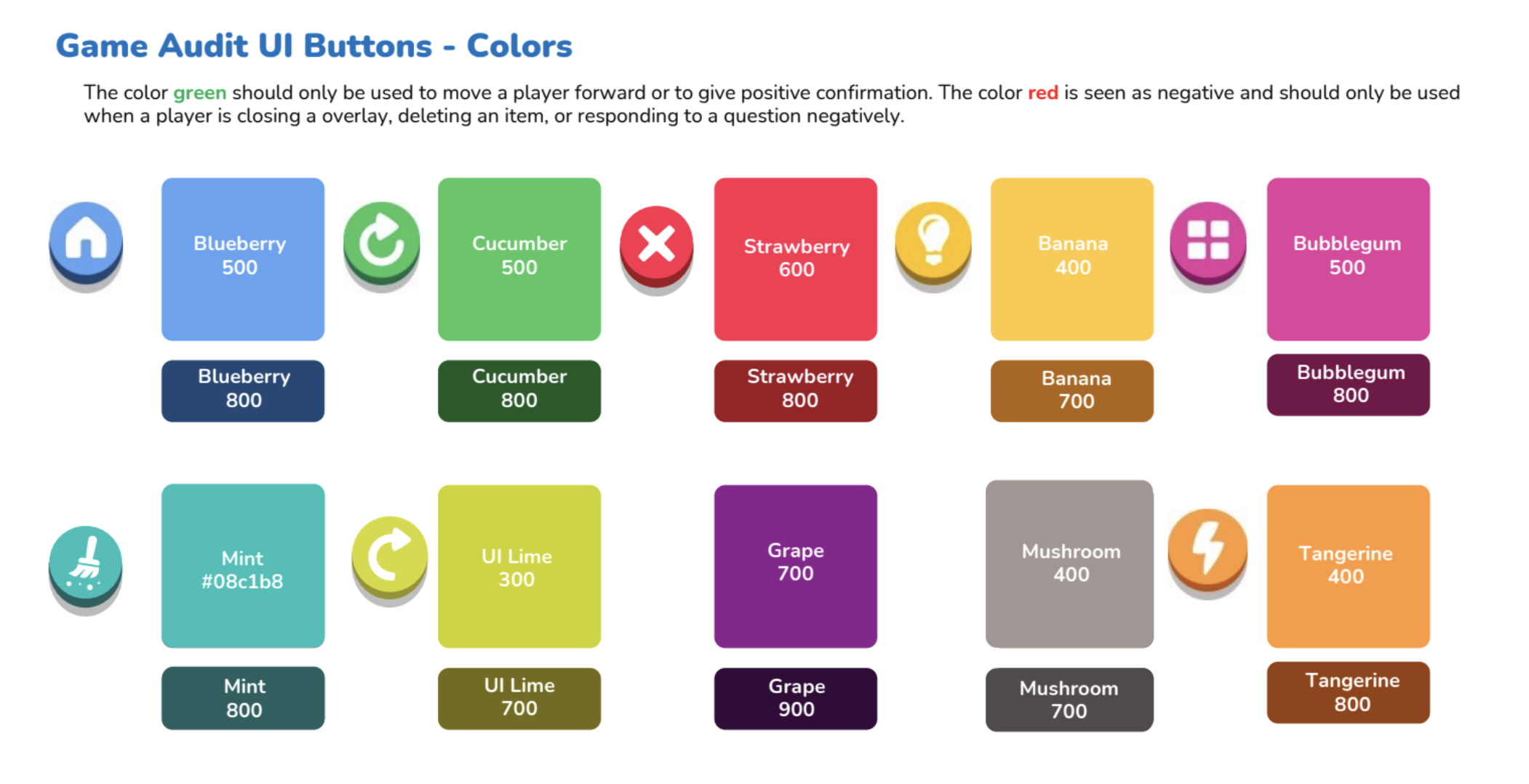
A shared UI constraint system ensured consistency across all games.
Rules
Green = progression only
Blue = system state
Yellow = guidance
Red = error or attention
Purple = reward state
Principle
UI elements communicate system state, not decoration.
Implementation Model
Each interaction rule was defined as:
trigger condition
system response
resulting state change
This allowed engineering teams to implement behavior consistently across multiple game systems.
Example
IF player completes action
THEN update state + trigger feedback
IF turn ends
THEN switch active player + update UI
Collaboration Model
This system was developed across multiple teams:
Product → defined gameplay direction
Engineering → implemented system behavior
Game teams → built individual experiences
Design (my role) → unified interaction system layer
My Contribution
I translated fragmented gameplay behaviors into a shared interaction system framework that aligned independently built games into one consistent experience.
Impact
Unified gameplay behavior across multiple independently built games
Standardized onboarding, turn-taking, and feedback systems
Created shared UI language for system state communication
Reduced inconsistency across game teams
Improved clarity of player state in multiplayer experiences
Reflection
This project reinforced a core principle:
Effective play systems are defined not by individual games, but by the shared rules that govern how all games behave together.
My focus shifted from designing screens to defining system-level behavior logic that scaled across teams and experiences.